
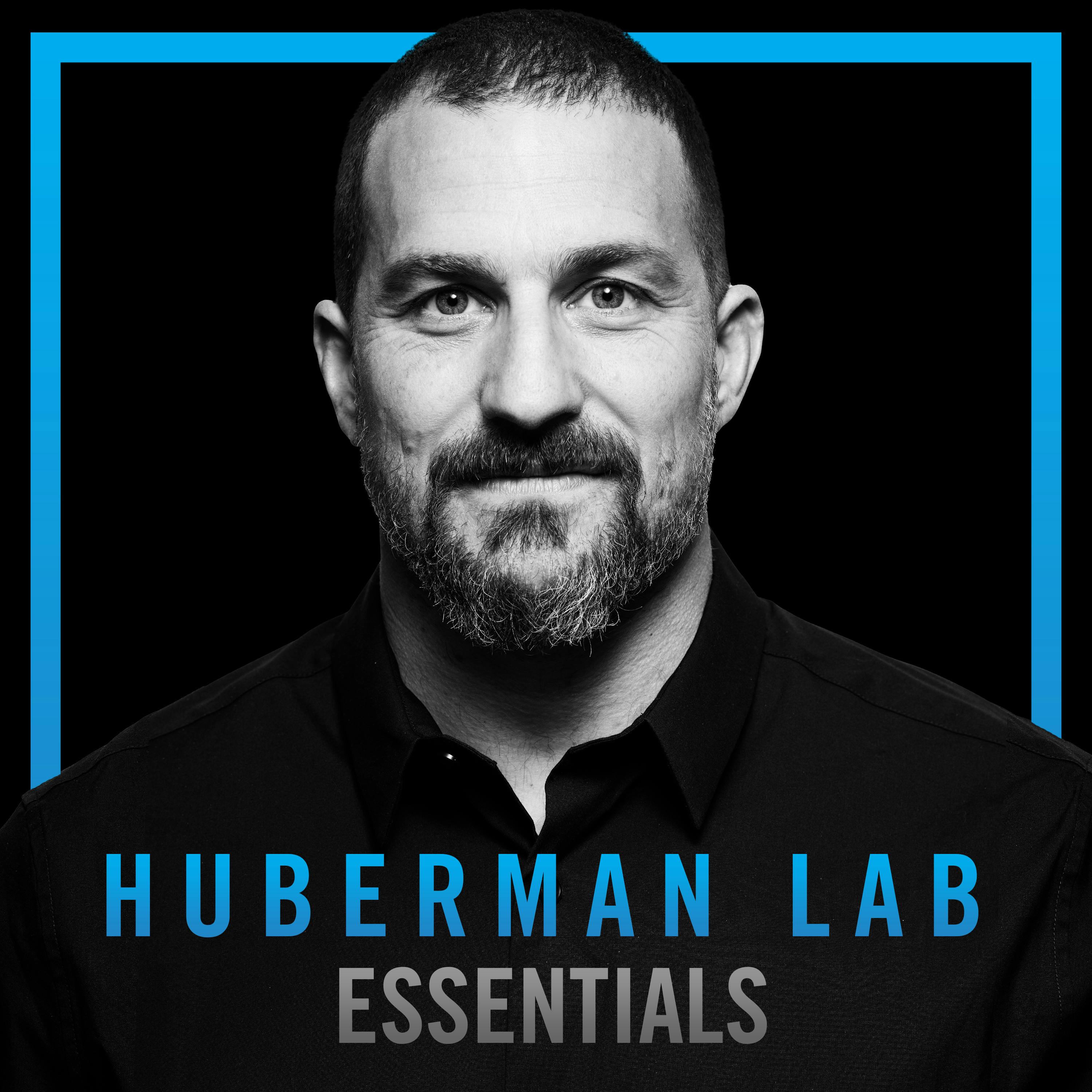











In this Huberman Lab Essentials episode, I discuss the science of social connection and how we form meaningful bonds with others.
I explore the neural basis for "social homeostasis"—our drive for a certain amount of social interaction—which explains why we feel lonely, seek connection and how we navigate social hierarchies. I also explain how the brain and neurochemicals, such as oxytocin and dopamine, shape our relationships from infancy through adulthood and underlie traits like introversion and extroversion. The episode also offers practical insights into forming deeper connections and how shared experiences with others enhance social bonding.
Read the episode show notes at hubermanlab.com.
Thank you to our sponsors
AGZ by AG1: https://drinkagz.com/huberman
LMNT: https://drinklmnt.com/huberman
David: https://davidprotein.com/huberman
Timestamps
Social Connection
Social Bonds, Social Isolation & Stress Hormones
Sponsor: LMNT
Brain & Social Homeostasis; Social Hierarchies & Flexibility
Dopamine & Pro-Social Behaviors; Chronic Social Isolation & Introversion
Introverts vs Extroverts, Dopamine & Social Homeostasis; Context
Loneliness, Dorsal Raphe Nucleus & Social Hunger
Key Takeaway: Introvert vs Extrovert & Dopamine
Social Bonds & Physiological Synchrony, Tool: Shared Experiences
Sponsor: AGZ by AG1
Right- vs Left-Brained Attachment, Parent & Child, Unconscious Mind
Friends & Romantic Partners, Emotional & Cognitive Empathy
Sponsor: David
Oxytocin & Social Connection
Tool: Emotional & Cognitive Empathy
Introverts, Extroverts & Social Interaction
Break-Ups; Key Takeaways
Learn more about your ad choices. Visit megaphone.fm/adchoices


